Experience the Wellington Equestrian Homes Lifestyle
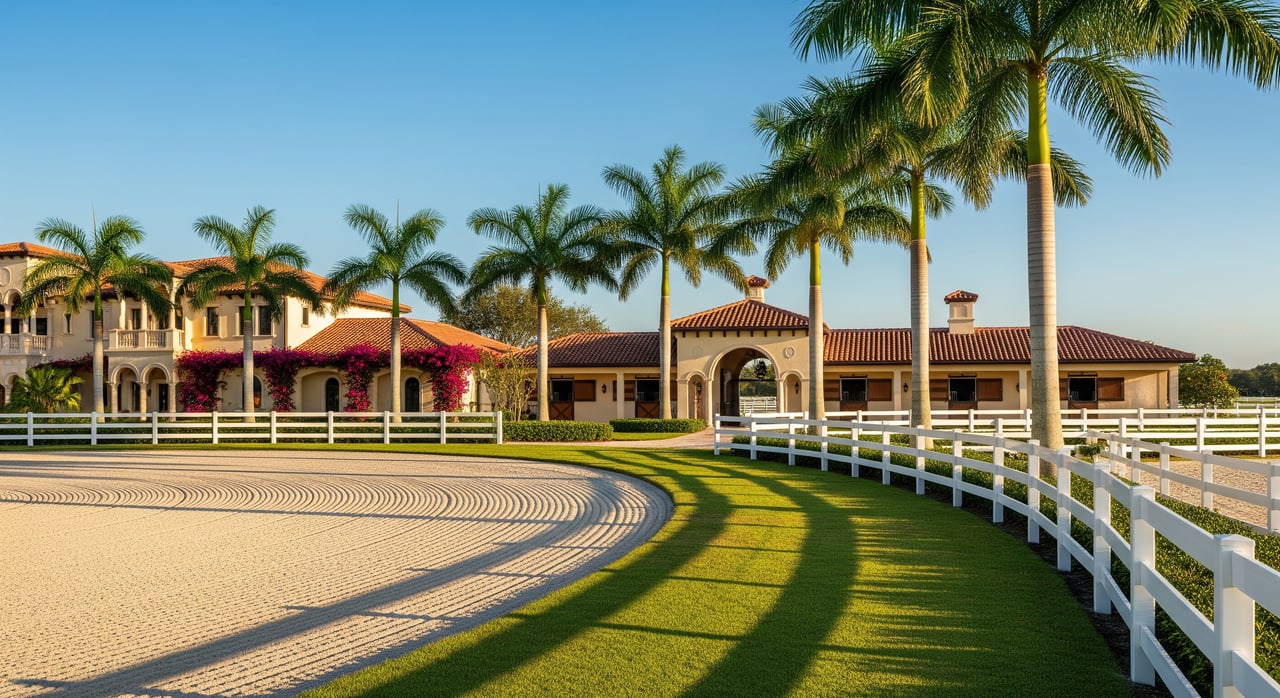
If your ideal morning starts with a soft nicker in the barn and a ride before work, Wellington’s equestrian corridor puts that rhythm at your doorstep. Even if you do not own horses, you feel the energy when show season arrives and the village comes alive with riders, trainers, and fans from around the world. In this guide, you will learn how daily life flows, what property options look like, which rules matter, and how the winter season shapes routines in ZIP code 33414. Let’s dive in.
Locals use “equestrian corridor” to describe the cluster of farms, stables, and horse-focused neighborhoods in Wellington. In broad terms, it sits between Lake Worth Road to the south and Northlake Boulevard to the north, with the Lyons Road and 200th Avenue area to the west and U.S. 441 to the east. Exact boundaries vary by who you ask and by listing.
At the center is the Palm Beach International Equestrian Center, the home base for major winter events. Around it, you find a patchwork of private barns, training facilities, and single-family homes on acreage. The look and feel is distinctly horse friendly, with fenced paddocks, arenas, and trails integrated into daily life.
Wellington’s calendar peaks in winter. During late fall through spring, multi-week festivals draw a large seasonal crowd of riders, grooms, trainers, owners, and spectators. The result is a short-term population surge and more activity near showgrounds and main access roads.
If you enjoy a social calendar tied to sport, you will love this rhythm. Many households plan weekday lessons and weekend showing in winter, then reset to schooling rides and training blocks when spring and summer arrive.
Homes in the equestrian corridor range from small acreage properties to large estates designed for professional programs.
Upfront purchase prices and operating costs vary widely. Small properties can price like upper-middle suburban homes, while functional farms and estates command premiums. For current figures, you should review active listings and recent sales and consult county property records for tax history.
Before you buy, understand that zoning rules vary by parcel. Zoning controls how many horses you can keep per acre, whether you can run a boarding or training business, and how accessory structures must be built. The Village of Wellington and Palm Beach County both have ordinances that address animal keeping, stable operations, setbacks, manure management, and environmental protections.
This diligence protects your investment and helps you design a safe, compliant property from day one.
Life in the corridor is built around access to equestrian services. You will find feed and tack suppliers, farriers, equine veterinarians, transport companies, and trainers nearby. Many providers offer mobile service, which makes routine care and emergency response more efficient.
For everyday needs, local supermarkets, retail centers, and healthcare resources are a short drive. Larger medical centers and specialty clinics are available in nearby hubs like West Palm Beach and Boca Raton. Families enroll in Palm Beach County public schools or local private schools. Always confirm school assignments through the Palm Beach County School District’s official tools.
Dining is a mix of neighborhood spots in Wellington and destination restaurants in surrounding cities. During show season, hospitality tents, sponsor events, and private dinners add to the social scene.
Beyond the purchase price, plan for ongoing operating costs if you keep horses at home. Budgeting with real local quotes is essential.
Taxes and assessments differ by parcel. Review records with the county property appraiser and ask sellers for recent bills to set expectations.
Hurricane readiness is a core part of responsible ownership. Many properties sit in FEMA flood zones or are affected by stormwater management. You should verify flood designations, elevation, and insurance requirements.
For horses, a written plan matters. Confirm your trailer availability, evacuation routes, and any emergency stabling options in advance of storm season. Keep vet contacts posted in the barn, and make sure you can secure feed, water, and medications for several days.
Here are three common routines to help you picture your week.
You feed and turn out at sunrise, then handle school drop-off or work. Midday might include grooming or a lesson with your trainer. Evenings are for ride sets or light arena work, with weekends dedicated to local shows in winter and schooling rides off-season.
Your mornings are calm, with occasional show traffic on key roads during peak weeks. Kids’ activities, parks, and community programs anchor your day. You might attend a weekend event as a spectator or dine out near the showgrounds during season.
You juggle long hours that scale with the show calendar. Staffing, horse travel, and client lessons fill the day, with peak activity during winter festivals. Off-season brings a steadier training rhythm, farm maintenance, and planning for the next circuit.
You can enjoy the equestrian lifestyle without owning a barn. Local barns offer full-care boarding, partial-care options, and training programs where your horse is in professional hands. Availability shifts with the season, so inquire early, especially for winter slots. Ask about turnout schedules, feed programs, arena footing, and trainer access before you commit.
During winter festivals, traffic increases near PBIEC and along main access roads. Plan show-day travel with extra time and consider alternate routes where possible. Short-term housing demand also rises, including rentals for riders, grooms, and visiting families. If you rent, book early and review village and HOA rules for short-term stays.
Off-season, bookings loosen and roads are less busy. You can schedule installations, footing refreshes, and larger farm projects during this quieter window.
Use this quick list to guide your search and inspections.
Buying in Wellington’s equestrian corridor is both exciting and complex. When zoning, barns, and seasonality all intersect, the right guidance saves time and reduces risk. For thoughtful, concierge-style help backed by two decades of Palm Beach County experience, connect with Roger Plevin. Work With Roger — Schedule a personalized market consultation.
Stay up to date on the latest real estate trends.
My area is a great place to live! For more information, please give me a ring or email me today. I would love the opportunity to earn your business and trust.