Your Guide to Buying a Waterfront Condo in West Palm Beach
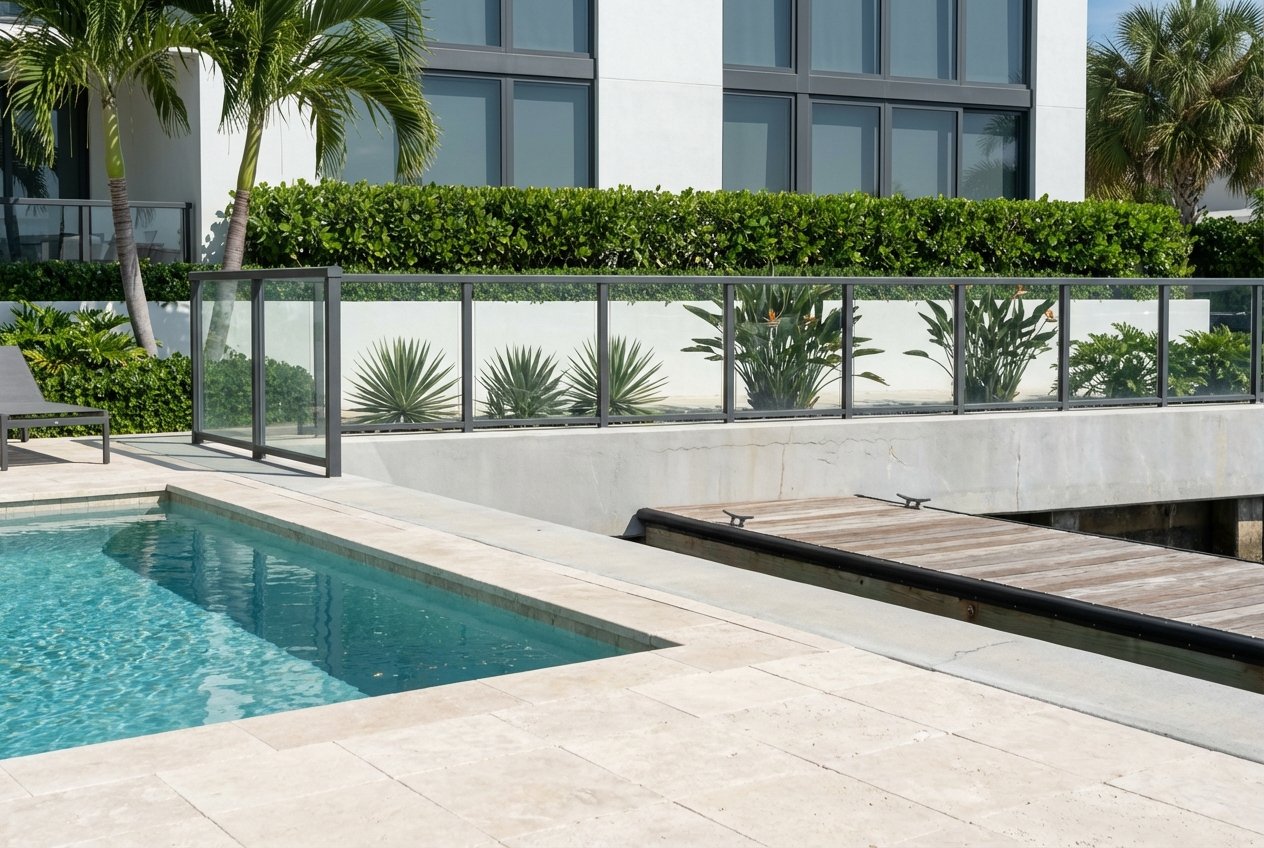
Picture morning light on the Intracoastal, boats sliding by, and your balcony catching the breeze. If you are eyeing a waterfront condo in West Palm Beach, you want that view and the easy lifestyle, but you also want clarity on docks, building health, insurance, and timelines. This guide gives you a practical, local playbook so you can compare units confidently, avoid red flags, and close smoothly. Let’s dive in.
Waterfront condos in West Palm Beach sit in a premium niche. The premium depends on more than just the view. Value shifts with water access, dock rights, building age and inspections, and insurance exposure. Your goal is to compare like with like and confirm the building’s documents match what the listing promises.
That means focusing on building-level due diligence. Check whether the association has completed required structural inspections and reserve studies, and whether docks are deeded or licensed. You will also want to understand flood and wind insurance responsibilities and the real cost of any planned improvements near the water.
Not all “waterfront” is the same. Ask the listing agent which type your target unit offers:
Depth at mean low water, turning-basin width, bridge clearances, and direct ocean access all influence day-to-day boating and resale appeal. If you plan to dock a boat, a marine surveyor can confirm depth and maneuvering at the assigned berth.
Dock rights often separate a great purchase from a frustrating one. There are three common arrangements:
If slip rights matter to you, confirm in writing whether the slip is deeded to the unit, a limited common element, or a license that must be reapplied for after closing. Do not rely on marketing language alone.
High-rise towers on the Intracoastal, mid-rise buildings on canals, and marina-style communities have different maintenance profiles. Towers may face parking deck, balcony, or elevator projects. Canal communities often share seawalls and pilings. Older buildings may be on earlier timelines for required structural inspections and reserves. Florida’s Division of Condominiums outlines these obligations in its milestone inspection and SIRS FAQs.
For any building three stories or higher, Florida requires milestone structural inspections and structural integrity reserve studies. Associations must maintain these records as official documents and fund reserves for listed structural items. Before you finalize an offer, ask for the inspector-prepared summary of any milestone inspection and the most recent SIRS from the association. The Division’s guidance is published in the DBPR condominium FAQs.
Florida law also requires resale contracts to disclose whether the association has completed required inspections and reserve studies. Buyers must be provided the inspector’s summary and the most recent SIRS more than seven days before contract execution when applicable. Review the statute on contract disclosures in Chapter 718.503.
When you receive association documents, scan for these items:
If the milestone summary shows Phase 2 needs or if reserves are thin, plan for possible assessments or a tighter financing path. A quick call with a structural engineer or your lender can help you decide how to proceed.
Condo associations must carry property insurance for the building and common elements as outlined in Florida law. You are generally responsible for your unit’s interior finishes, appliances, personal property, and loss assessment coverage through an HO-6 policy. Review the association’s master policy declarations page so you understand deductibles, especially for wind and hurricane events. The relevant rules are in Chapter 718.111.
For flood risk, check the property’s finished-floor elevation and flood zone. The City of West Palm Beach provides a helpful Flood Information and Forerunner tool and participates in FEMA’s Community Rating System, which can reduce NFIP premiums for in-city properties. Ask for the unit’s elevation certificate if available and review FEMA FIRM panel references with your insurance agent.
If you plan to rebuild a dock, add a lift, or modify a seawall, expect a multi-agency review. In many cases, the Florida Department of Environmental Protection manages use of sovereign submerged lands, including dock leases and wet-slip reporting. The DEP outlines lease terms and typical processing steps in its state-owned submerged-lands FAQ.
Work in navigable waters often requires federal authorization through the U.S. Army Corps of Engineers. The Jacksonville District publishes guidance and programmatic permit notices that explain when a general permit applies and when an individual permit is needed. See the Corps’ public notice and programmatic guidance.
Locally, Palm Beach County Environmental Resources Management regulates shoreline work and sensitive habitats. Before you bank on a larger slip or dredging, review county guidance and historic permits through Palm Beach County ERM. Plan for weeks to months if multiple agencies are involved, and keep in mind that this process often extends beyond the property closing timeline.
Every transaction is different, but here is a typical path for a financed purchase. Cash deals can move faster.
If future dock work is important to you, include permit-related contingencies and allow time to gather prior permit packets or submerged-lands lease documents.
Use this short list to keep your offer and inspections on track:
You want more than a pretty view. You want a building with solid reserves, clear dock rights, and predictable costs. A local agent helps you triage buildings that have completed milestone inspections, understand which towers have waitlists for slips, and spot associations with recent or pending assessments. They can coordinate marine and structural inspections, pull recorded declarations and amendments fast, and line up the right title and closing contacts.
When it comes time to value a unit, a knowledgeable agent will compare true peers: same water orientation, similar access to the ocean, the same slip ownership type, and buildings with similar inspection and reserve status. That is how you avoid overpaying for a great view while missing a costly association issue.
If you are ready to narrow your shortlist, connect with a trusted local advisor who knows West Palm’s waterfront inside and out. Work with Roger Plevin to get a calm, concierge process with clear next steps, vetted vendor referrals, and building-by-building guidance that puts your goals first.
Stay up to date on the latest real estate trends.
My area is a great place to live! For more information, please give me a ring or email me today. I would love the opportunity to earn your business and trust.