Do you picture morning coffee on Clematis before a quick walk to the waterfront, or a quiet backyard with room for a grill and a pup to roam? Choosing between downtown West Palm Beach and the suburban ring shapes your days, commute, and budget. In this guide, you’ll get a clear, side‑by‑side look at lifestyle, housing types, costs, transportation, culture, and risk so you can buy with confidence. Let’s dive in.
Downtown West Palm at a glance
If you value walkability and a simple, condo-based routine, downtown fits well. The core around Clematis Street, the Flagler waterfront, and CityPlace is compact and easy to navigate. Walkability in the downtown core rates in the low 80s, which supports errands on foot and a true live‑work‑play feel (FAU’s downtown report).
You can step out for the GreenMarket, waterfront concerts, or evening programming like Clematis by Night. The calendar stays active, and it is a big draw if you like to be around restaurants, galleries, and cultural events (downtown events overview).
A major perk is regional access. The Brightline station sits in the heart of downtown, which makes day trips or commutes to other South Florida cities more convenient (Brightline station details). You are also a short drive to Palm Beach International Airport.
Suburban West Palm lifestyle
If you want more space and a yard, look to suburbs like Palm Beach Gardens, Wellington, and Royal Palm Beach. These areas lean single‑family and have higher owner‑occupancy rates than the city core. Palm Beach Gardens shows an owner‑occupied rate around 73 percent, with a higher median owner value than the city average (Palm Beach Gardens QuickFacts). Wellington’s owner‑occupied share is about 74.5 percent, and its daily rhythm tends to center on parks, community recreation, and equestrian events (Wellington QuickFacts).
Driving is the norm. Commutes into downtown generally run 20 to 30 minutes depending on your exact address and traffic. Many communities include pools, playgrounds, fitness rooms, or golf nearby, which keeps a lot of life close to home.
Housing types and monthly costs
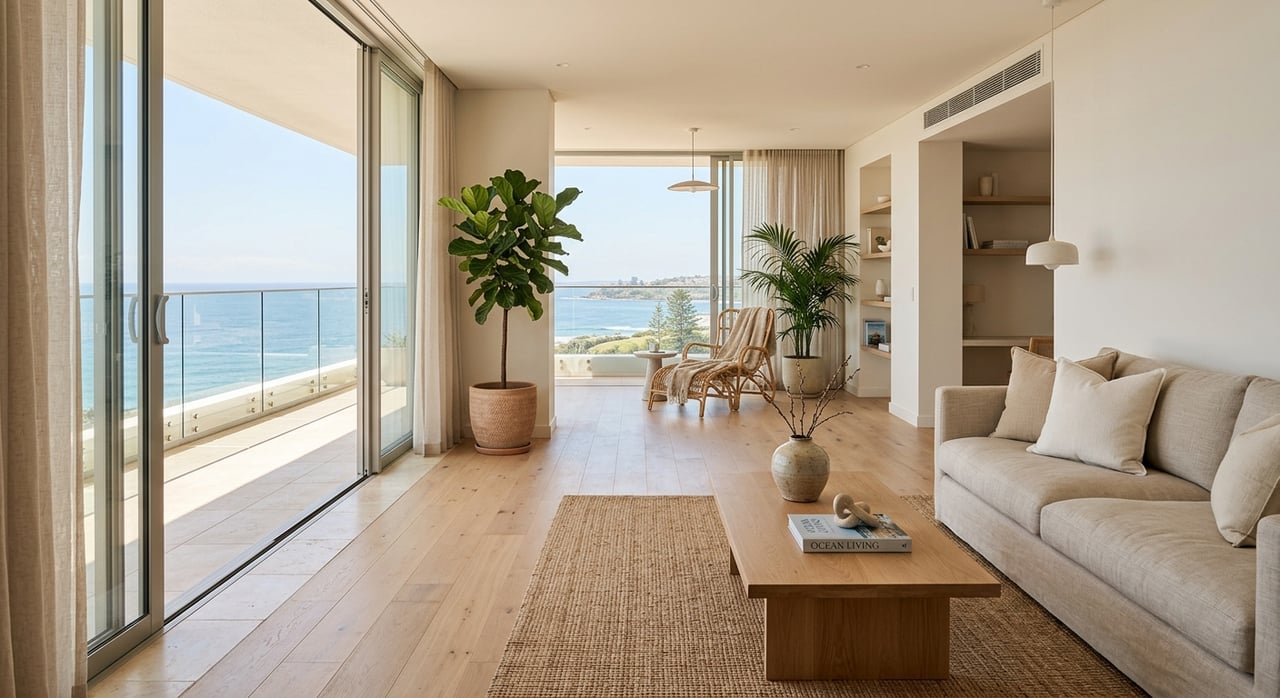
- Downtown core: Most inventory is mid‑ and high‑rise condominiums and rental buildings. Your monthly costs include your mortgage, taxes, condo association dues, and insurance. Dues vary by building and amenity stack. Full‑service towers with concierge, gyms, and pools typically carry higher dues than older, simpler buildings. Recent reporting shows downtown condo medians often price higher than many inland suburbs, with waterfront towers pushing higher still.
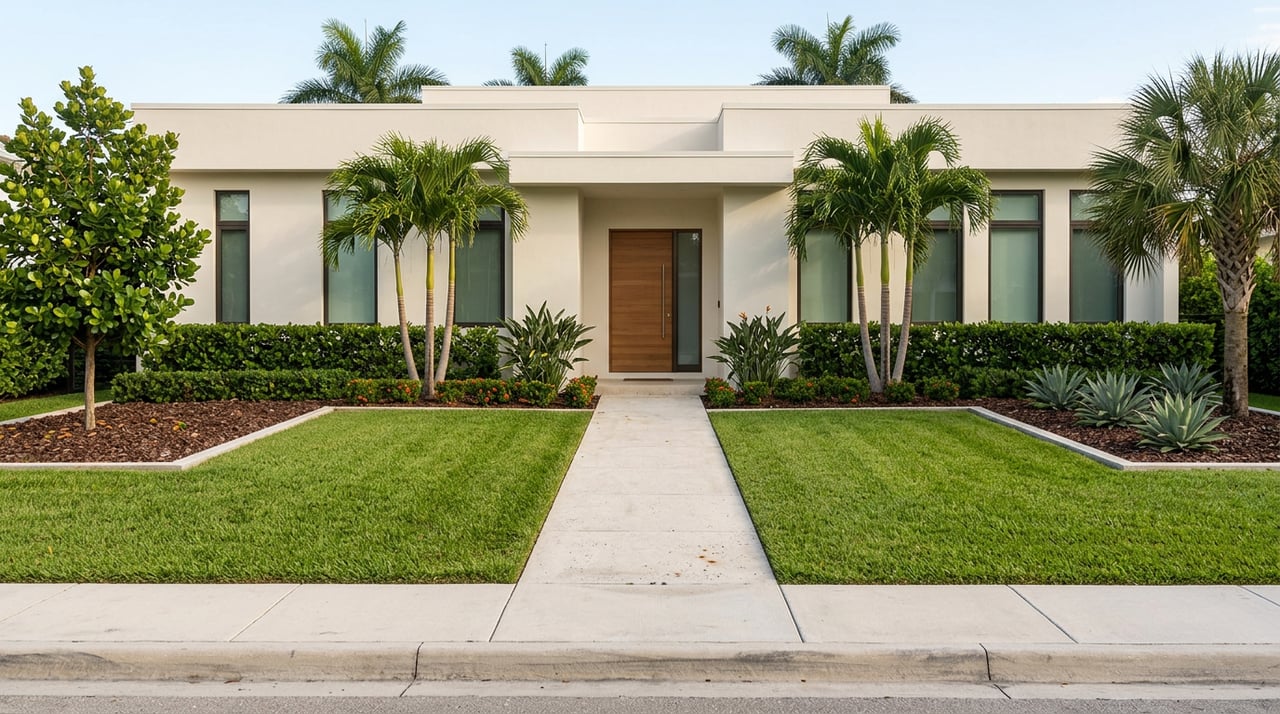
- Suburban ring: You will find mostly single‑family homes and planned communities. Many have HOAs that maintain common areas and amenities. Your monthly costs include your mortgage, taxes, homeowners insurance, and any HOA fees. You usually gain more interior square footage and private outdoor space for the price compared with a downtown condo.
Tip: Compare apples to apples. Look at total monthly carrying costs, not just list price. Include parking costs, association dues, and insurance for condos, and lawn or pool maintenance for single‑family homes.
Getting around and commute
- Downtown: Many errands are a short walk. Brightline makes regional trips easier, and rideshare fills the gaps. If you work downtown or along the Brightline corridor, your door‑to‑desk time can be efficient (Brightline West Palm Beach).
- Suburbs: You will primarily drive. Palm Tran operates bus routes and pilot first‑mile/last‑mile programs in some zones, which can help for specific commutes or school activities (Palm Tran BusLink).
Culture, dining, and events
- Downtown: Expect frequent events and institutions close by. From waterfront concerts and the GreenMarket to museum and performance nights, your social calendar can be full without getting in a car (downtown events overview).
- Suburbs: The vibe tilts toward community festivals, golf tournaments, equestrian seasons, and neighborhood recreation centers. Evenings often center at home, local clubs, or nearby town centers.
Two typical days
A day downtown
Morning: You stroll to coffee, then jog the Flagler waterfront. Midday: A short walk or scooter ride gets you to the office or a meeting. Need to zip to Fort Lauderdale or Miami for the afternoon. Brightline is a block or two away. Evening: Meet friends on Clematis or at CityPlace for dinner, then catch a show or a museum event.
A day in the suburbs
Morning: You drive to school drop‑off, then grab coffee at a neighborhood spot. Midday: Work from home or commute by car. Errands are a quick drive to a shopping center. Evening: Dinner on the patio, a dip in the community pool, or a practice at the local field. Weekends rotate between golf, parks, equestrian events, and backyard gatherings.
Pros and cons to weigh
Downtown pros
- High walkability and daily convenience (FAU’s downtown report)
- Less home maintenance, since there is no private yard
- Easy access to arts, dining, events, and Brightline
Downtown considerations
- Smaller private outdoor space
- Condo or HOA dues impact monthly budget
- Street noise and event crowds vary by block; parking matters
Suburban pros
- Private outdoor space and larger interiors for the money
- Higher owner‑occupancy communities, with amenities like parks and golf nearby (Palm Beach Gardens QuickFacts)
- Flexible storage for hobbies, vehicles, and pets
Suburban considerations
- More car‑dependent, with longer drives to downtown
- HOA rules and fees vary by community
- Yard and home upkeep add time and cost
Quick data snapshot
- West Palm Beach city owner‑occupied share: about 50.5 percent. Mean commute: about 23.4 minutes. Median value of owner‑occupied units: about $414,200. Median gross rent: about $1,772. Source: U.S. Census QuickFacts (ACS 2020–24).
- Palm Beach Gardens owner‑occupied share: about 73 percent. Median owner value: about $606,100. Source: QuickFacts (ACS).
- Wellington owner‑occupied share: about 74.5 percent. Source: QuickFacts (ACS).
Near‑downtown single‑family options
If you love the downtown energy but want a yard, consider adjacent historic pockets like Grandview Heights, Flamingo Park, and El Cid. These areas offer character homes on small lots within a short ride or walk to the core. El Cid, a designated historic district along the Intracoastal, is known for its architecture and premium waterfront options (El Cid neighborhood info).
Risks, insurance, and coastal reality
Coastal addresses come with real considerations. Flood exposure, wind coverage, and building elevation can change the long‑term cost of ownership. Before you write an offer:
- Run the FEMA Flood Map Service Center search for any address you are considering. If the property is in a Special Flood Hazard Area, lenders often require flood insurance under NFIP rules. For background, see this policy overview of federal flood insurance and lender requirements (NFIP overview).
- Use NOAA’s Sea Level Rise Viewer to screen coastal exposure and ask for elevation certificates on waterfront or low‑lying homes (NOAA Sea Level Rise Viewer).
- Budget for wind and flood insurance where applicable. Ask your insurer for quotes early in your search so you can compare downtown condo coverage with suburban single‑family coverage.
Buyer checklists
Downtown condo checklist
- Review condo association budgets, reserves, and recent meeting minutes for signs of special assessments or deferred maintenance.
- Confirm monthly dues, what they include, and parking arrangements or fees.
- Ask about rental rules if you want seasonal flexibility.
- Price out homeowners, flood, and wind insurance for the building and your unit.
- Walk your daily routine. Time the trip to groceries, Brightline, and the waterfront at peak hours.
Suburban single‑family checklist
- Verify HOA rules, fees, and any upcoming projects or assessments.
- Confirm flood zone, elevation, and wind mitigation features. Request insurance quotes.
- Map your commute during rush hour and school drop‑off times.
- Compare maintenance costs for lawn, pool, or exterior upkeep.
- Check parking, storage, and space for hobbies or pets.
Which lifestyle fits you
Ask yourself:
- Do you want to walk to dinner and events, or do you prefer quiet evenings on a patio at home?
- Is low‑maintenance living worth condo dues, or do you want a yard and garage even if it means more upkeep?
- Will you use Brightline often, or is a car‑based routine fine?
- How important are amenities within your community compared with public venues downtown?
If you are torn, tour both in the same week. Visit a downtown condo during a busy evening, then a suburban open house on a weekend. Your own routine will tell you which one feels right.
Ready to compare specific homes and run the numbers on monthly costs, commute, and insurance side by side? Connect with Roger Plevin for a tailored plan and private tours.
FAQs
Is downtown West Palm Beach truly walkable?
- Yes. The downtown core posts walkability in the low 80s, with restaurants, events, and services clustered near the waterfront and Clematis Street (FAU downtown report).
How do condo dues compare to suburban HOA fees?
- Condo dues usually cover building operations and amenities, so they can be higher than many suburban HOAs, which often fund common areas only. Compare total monthly costs before deciding.
What is the commute like from Wellington to downtown West Palm?
- Plan for roughly 20 to 30 minutes depending on exact location and traffic. Time your drive during your typical rush to confirm.
How should I evaluate flood risk near the water?
- Search the FEMA Flood Map Service Center for the address, review any elevation certificate, and get flood and wind quotes. For context on insurance rules, see this NFIP overview (Congress.gov) and screen with the NOAA Sea Level Rise Viewer.
Are there single‑family homes close to downtown amenities?
- Yes. Historic pockets like Grandview Heights, Flamingo Park, and El Cid offer single‑family homes near the core. El Cid also includes premium waterfront properties along the Intracoastal.