The first thing buyers do in a Jupiter condo is head straight to the glass. If your unit overlooks the Intracoastal, ocean, or a marina, how you present that view can shape perceived value and time on market. With a few focused moves, you can make the water the star without a full redesign. In this guide, you’ll learn practical staging steps, photography timing, and an event-style showing plan tailored to Jupiter condos. Let’s dive in.
Why views sell in Jupiter
Water and outdoor living help define Palm Beach County condo life. Buyers look for unobstructed sightlines, usable balconies, and a lifestyle that feels effortless. When your staging protects the view corridor and frames it beautifully, the whole home reads brighter, larger, and more inviting.
Open view corridors
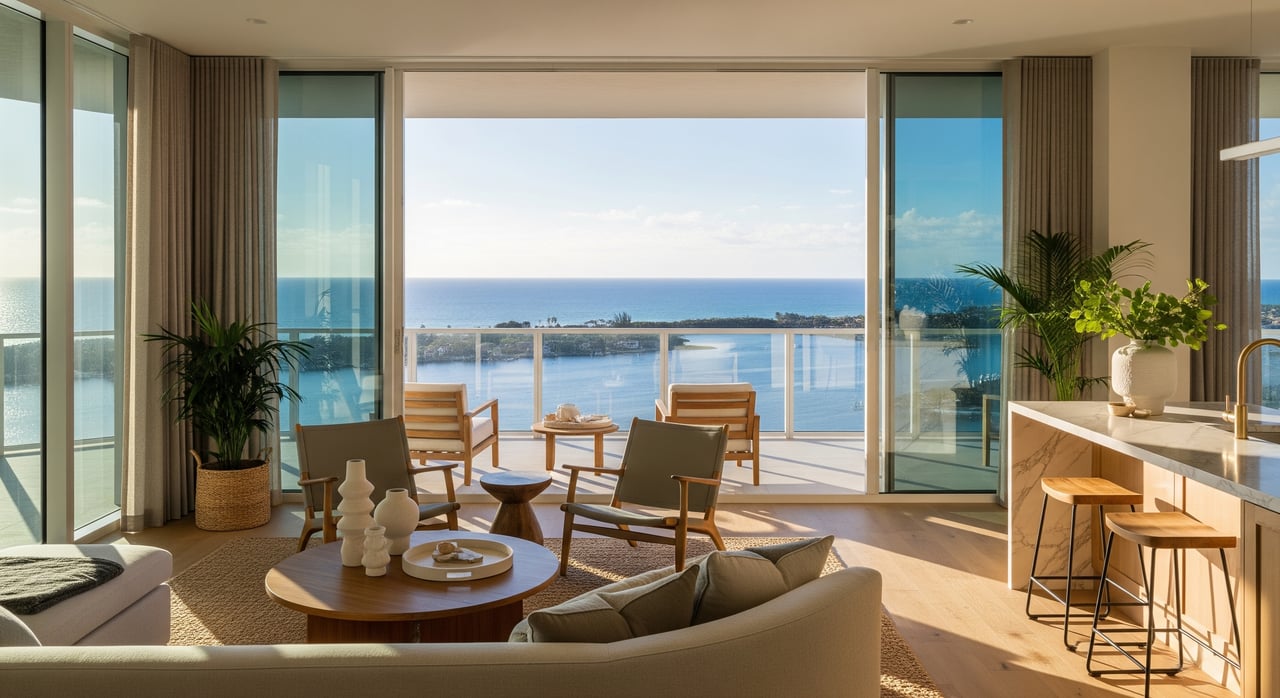
Rearrange furniture for sightlines
- Use low-profile seating near sliders and windows so the back of a sofa does not block the view.
- Angle chairs so the eye naturally tracks toward the water from the entry and main living zone.
- Remove tall bookcases, oversized plants, or bulky consoles near the glass.
Edit decor around windows
- Keep window surrounds neutral so the water carries the visual weight.
- Limit accessories on sills and console tops near the glass.
- If you need an accent, choose one subtle piece that complements coastal tones.
Prep the balcony like a room
Safety and maintenance first
- Inspect railings for rust or wear and repair loose tiles. Confirm the balcony is safe and compliant with association rules.
- Clear drainage scuppers and power-wash to remove salt residue.
Scale and materials that work
- Choose compact, low-profile furniture like a bistro set or narrow lounge chair to preserve the view.
- Use corrosion-resistant metals, composite woods, and UV-tolerant textiles suited for salt air.
- Select weighted pieces rated for coastal wind, especially on higher floors.
A simple lifestyle vignette
- Add a small tray with two stemless glasses or a folded nautical throw to suggest relaxation.
- Keep plants minimal and salt-tolerant in UV-stable pots.
- One tasteful vignette is enough. The water should remain the focal point.
Windows and crystal-clear glass
- Replace heavy drapes with full-height sheers or roller shades that raise completely.
- Mount hardware high or in a recess so panels clear the glass when open.
- Keep blinds fully up or tilted open during showings; use sheers for daytime privacy.
- Clean inside and out to remove salt and mineral haze that dulls the view.
- If dark screens distract, clean or replace them before photos if allowed by the HOA. If removal is not allowed, ensure screens are spotless.
- Avoid dark reflective films for photography. If film is permanent, be transparent in your listing and show it during showings.
Light for bright exteriors
- Turn on layered lighting to balance bright windows: ambient overhead, task lamps, and subtle accent lights.
- Use a consistent bulb color temperature, ideally warm white around 2700–3000K in living areas, so rooms feel cohesive.
- Choose high-CRI bulbs where possible so colors render naturally in photos.
- On the balcony, add soft string lights or lanterns for twilight showings if your association allows it. Keep glare low and pathways clear.
Time photos and showings
- For east-facing views, schedule morning photography to capture warm sunrise light over the water.
- For west-facing views, plan late afternoon into sunset, then continue 15–40 minutes after sunset for blue-hour images with interior lights on.
- Use a sunrise and sunset schedule for exact times on your shoot day.
- For daytime showings, mid-morning to early afternoon often delivers even light without harsh glare.
- If your condo boasts standout sunsets, host a timed viewing that starts about 45 minutes before sunset and runs into blue hour.
Amenity vignettes buyers remember
- Set a small coffee station for a sunrise-facing balcony to suggest easy mornings.
- For sunset-facing spaces, style a simple balcony bar moment to hint at evening wind-downs.
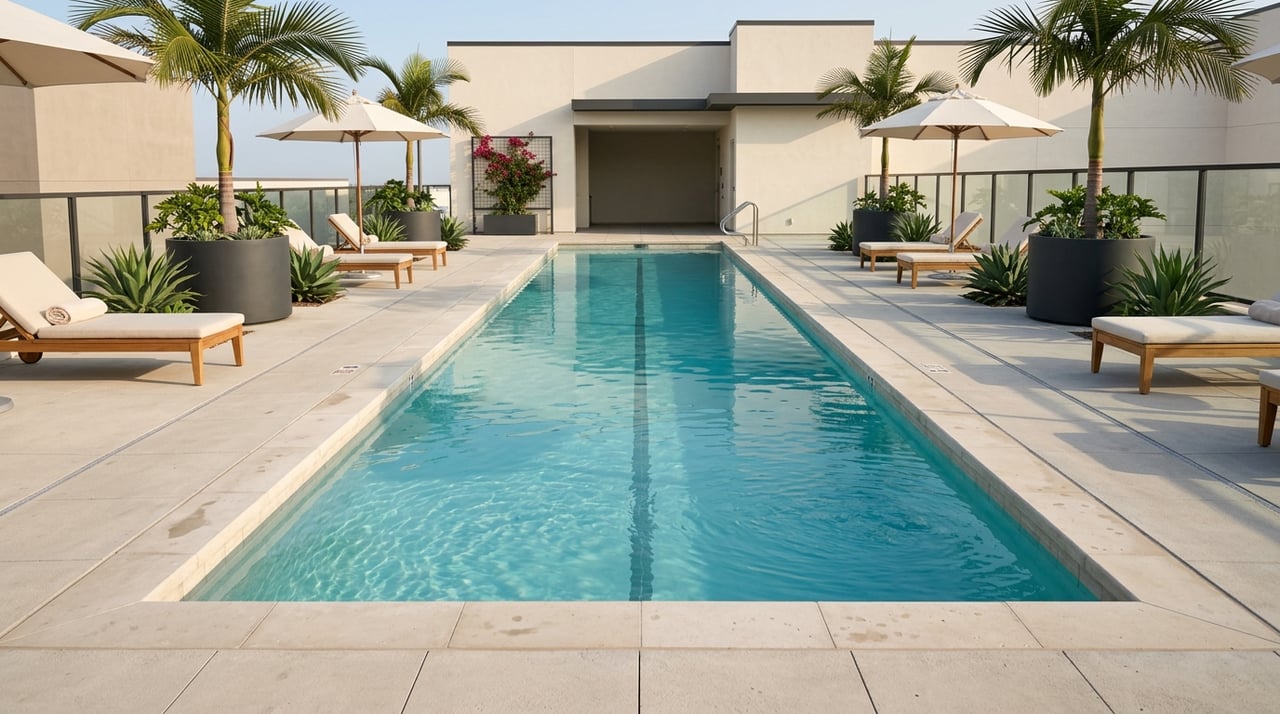
- If permitted, add a low-key vignette by the pool or along the marina path that reflects community amenities without crowding common areas.
- Provide a concise handout with distances to nearby marinas or boat ramps if verified and relevant to your building.
Your essential shot list
- A context image of the building and water, aerial if allowed.
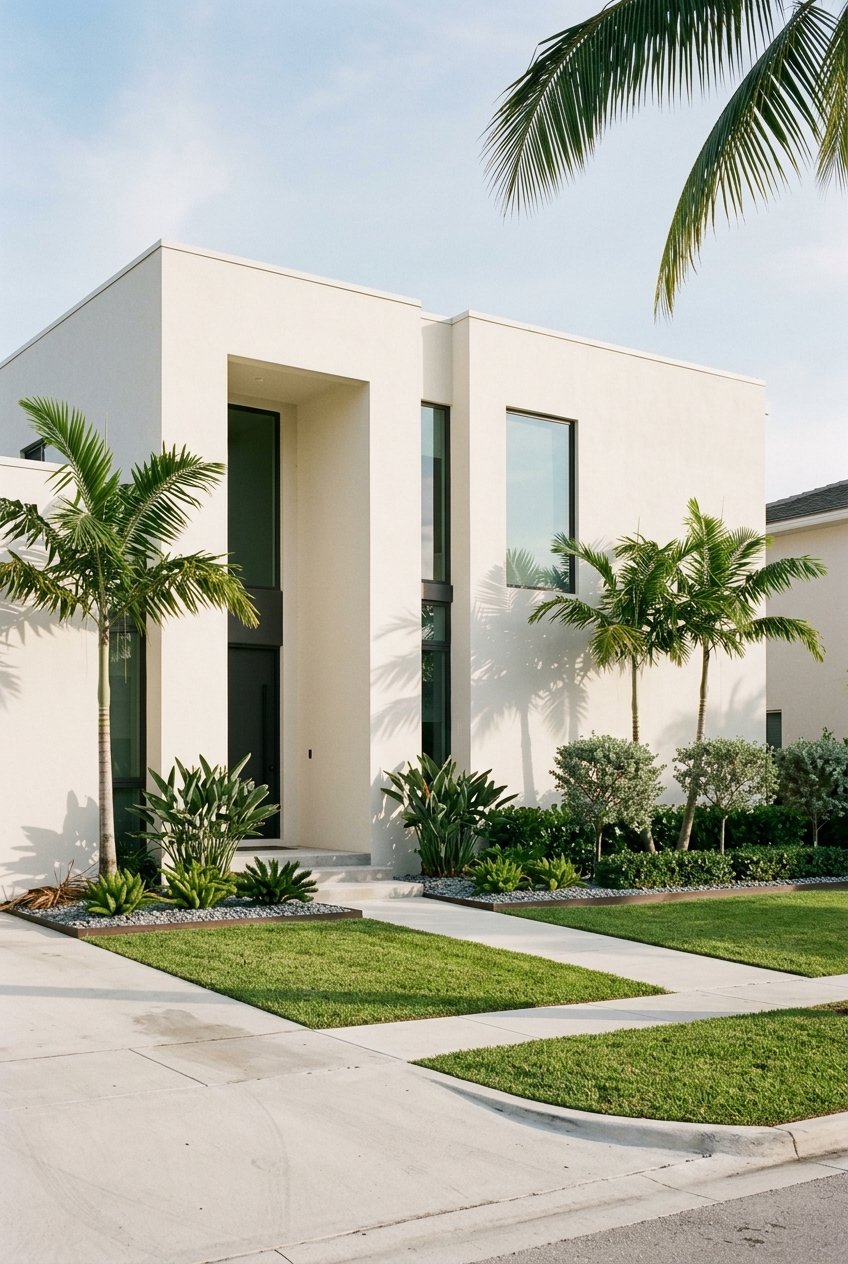
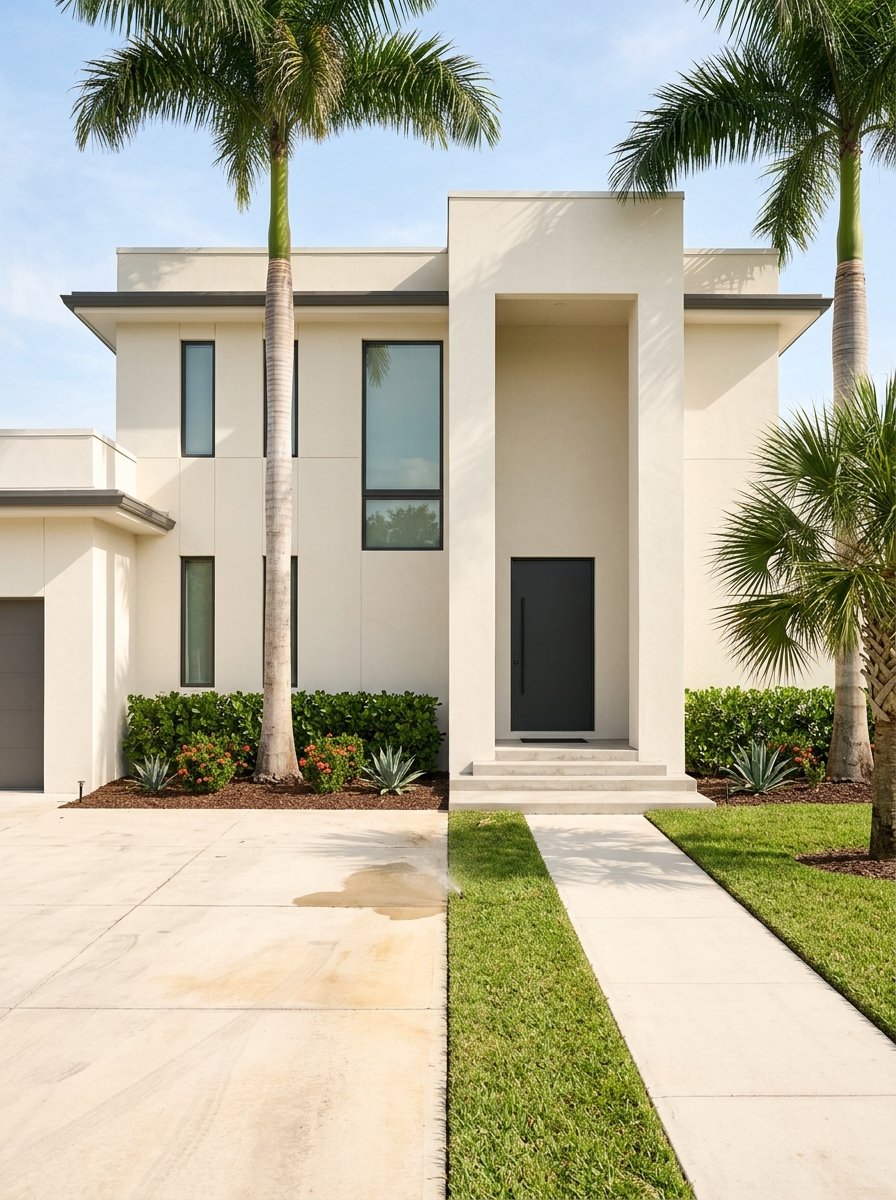
- Building facade with water orientation.
- Balcony hero shot that shows seating and the view beyond.
- Interior hero from the living area toward the water, composed from a corner to show depth.
- Primary bedroom image that includes the window and water.
- Detail images: balcony furnishings, railings, horizon line, and amenity highlights like pool or marina.
- Twilight shots with interior lights on for warmth and contrast.
- Floor plan and a simple measurement graphic for clarity.
Before-and-after visuals that tell the truth
- Capture the same angles before and after staging: living to water, balcony to horizon, bedroom to window.
- Use side-by-side comparisons to show how sightlines opened after removing heavy drapes, lowering furniture, or clearing clutter.
- Keep edits honest. Do not remove neighboring buildings or alter the actual view.
- Add clear captions like: “Heavy drapes replaced with sheers and low seating added to restore view corridor.”
Host an event-style showcase
- Time the event to your best natural light. Start shortly before sunrise for east-facing views or before sunset for west-facing views.
- Use RSVPs and staggered entry to prevent crowding on balconies and in hallways.
- Confirm capacity, refreshments, and any common-area use with your association in advance.
- Keep ambiance soft: background music, neutral scent, and simple refreshments if allowed.
- Provide binoculars and a laminated local waterways map to help buyers orient to inlets, islands, and typical boating paths.
- Offer a brief guided moment on the balcony to point out view features, then allow private time for buyers to take it in.
- Send interested buyers a digital packet with a twilight hero photo, an aerial context shot if available, and a short clip of the sunrise or sunset from the balcony.
Pre-listing checklist
- Association check: rules for balcony staging, signage, open houses, and drone photography.
- Safety and maintenance: repair balcony tiles and railings; clean or replace screens; pressure-wash balcony floor and exterior glass.
- Declutter and edit: remove personal items and tall decor near windows; swap heavy drapes for sheers or roller shades.
- Furniture plan: use low-profile seating and open walkways; stage the balcony with a compact, weather-rated set.
- Lighting: replace burned-out bulbs and match color temperatures; add gentle balcony lighting if permitted.
- Glass and hardware: deep-clean windows; polish rails; ensure sliders and window hardware operate smoothly.
- Photography: book a pro familiar with coastal light; plan golden hour or blue hour shots and capture before-and-after comparisons.
- Documentation: prepare a one-page sheet with HOA info, amenities, recent comparable sales, and any upgrades like impact glass or shutters.
- Event logistics: confirm rules, manage RSVPs, assign an assistant for flow, and prepare take-home packets.
Local rules and safety
- Review your condominium association’s rules before staging common elements, using elevators for furniture, or hosting open-house events. Associations can limit signage, balcony furnishings, and guest access.
- Florida’s Condominium Act (Chapter 718) outlines association authority. When in doubt, confirm with your property manager before planning.
- If you want aerial images, use a licensed and insured drone operator who follows FAA Part 107 rules. Check for any building or county restrictions.
When you put the water at the center of your presentation, you invite buyers to picture their lives in your condo. That clarity can shorten days on market and support stronger offers, especially in view-driven buildings across Jupiter and Palm Beach County.
Ready to position your view as the feature and launch a polished, event-driven listing? Reach out to Roger Plevin for a personalized plan and a calm, concierge experience from prep to closing.
FAQs
What is a view corridor and why it matters?
- A view corridor is the clear visual path from key rooms to the water. Protecting it makes rooms feel larger, brighter, and more valuable to buyers.
How should I stage a small Jupiter balcony?
- Use compact, low-profile furniture, one simple vignette, and UV- and salt-resistant materials. Keep the railing area clear so the view reads instantly.
Which window treatments work best for water views?
- Full-height sheers or roller shades that raise completely keep light flowing while preserving privacy when needed. Avoid heavy drapes that block glass.
When is the best time to photograph my condo’s view?
- East-facing views are best in the morning; west-facing views shine late afternoon into sunset and blue hour. Turn on interior lights for warmth and contrast.
Do I need drone photos for my listing?
- Not always. Aerials help show proximity to water and marinas, but they must follow HOA guidelines and FAA Part 107 rules. Use a licensed operator if you proceed.