Palm Beach Gardens Country Clubs: An Insider’s Overview
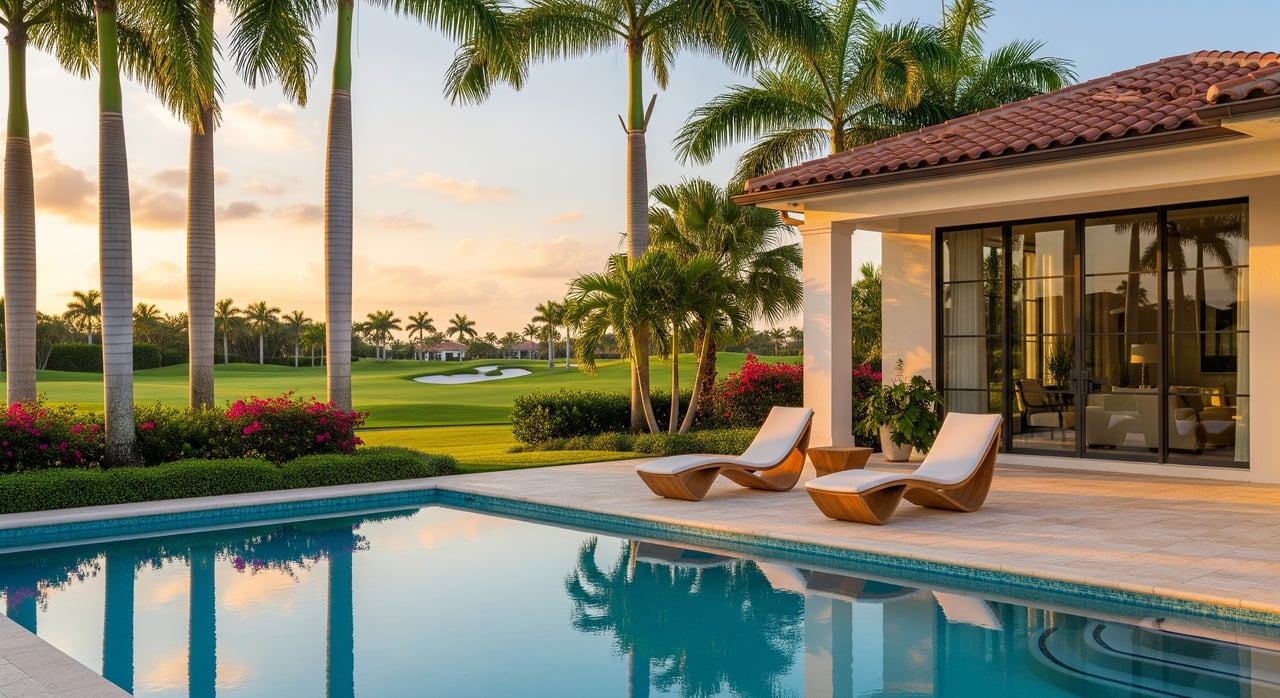
Is Palm Beach Gardens calling your name, but you’re not sure if country club living fits your lifestyle? You’re not alone. Many buyers moving to Palm Beach County weigh the convenience, social life, and amenities of club communities against the freedom of non‑club neighborhoods. In this guide, you’ll learn what to expect, how memberships work, and how to compare costs and resale considerations so you can choose with confidence. Let’s dive in.
Palm Beach Gardens sits in a coastal market known for gated, planned communities and private or semi‑private clubs. The warm climate supports outdoor sports and year‑round programming, with the busiest season from November through April. You’ll find everything from luxury golf clubs to neighborhood social clubs that focus on fitness and dining. Buyers often include active retirees, part‑time residents, families, and anyone who values a built‑in social calendar and on‑site amenities.
Most country clubs in Palm Beach Gardens offer a core set of amenities. The mix can vary by community, so confirm what is included in each membership tier.
Clubs use membership categories to manage access and pricing. Understanding these distinctions helps you match your lifestyle to the right plan.
Clubs publish seasonal calendars that ramp up in high season. Expect weekly card games, tennis ladders, golf tournaments, and themed dining nights. Dress codes vary by venue, with classic attire in formal rooms and relaxed standards poolside. New members often plug into the community through orientations and volunteer committees, which help shape social life and events.
Dining is a social anchor. Weekday lunches bring local members together, while weekends feature brunch and special dinners. In many clubs, chef nights and wine tastings keep the calendar lively and help newcomers meet people quickly.
In club communities, you may have both HOA dues and separate club fees. Clarify what the HOA covers versus what the club funds and maintains. In some developments, a level of access comes with homeownership. In others, membership is independent and optional.
Before you commit, ask targeted questions about the membership agreement:
Homes within respected clubs can carry a market premium because of the lifestyle and amenities. That premium depends on club health, membership trends, and transferability rules. Club‑oriented homes may appeal to a narrower buyer pool, which can affect days on market during slower seasons. If you are evaluating an equity club, request membership trend data and financial summaries to gauge stability.
Use this side‑by‑side to clarify your priorities.
Lifestyle and social life
Cost and predictability
Property values and resale
Access to sports and instruction
Convenience and services
Palm Beach Gardens is liveliest from November through April. During high season, clubs expand dining hours, add classes, and run full tournament schedules. Off‑season, you may see reduced hours and lighter calendars. If you plan to be here part‑time, ask for calendars for your months of use to confirm the activity level matches your expectations.
Start with your priorities. Decide whether golf access, racquet sports, fitness, or social programming matters most. If you are a family buyer, confirm kids’ camp availability and junior programs. If you prefer a more adult‑oriented environment, focus on clubs that emphasize dining, fitness, and member events.
Then test‑drive the experience. Request a sample monthly calendar and a current membership packet. Review dress codes and guest policies. If possible, schedule a meal or trial activity on site. Map your daily routine for errands, access to beaches, and commute routes to I‑95, the Florida Turnpike, and Palm Beach International Airport.
Next, review the fine print. Confirm whether membership is mandatory for residents and whether it transfers on resale. Ask about waitlists for golf. Understand assessment policies and how the club funds major repairs. If you are comparing two communities, a quick side‑by‑side of HOA responsibilities, club fees, and access rights can save time.
Finally, align your budget and timeline. Consider dues, potential assessments, and any initiation charges alongside your home purchase budget. If golf is waitlisted, plan for an interim membership category or alternative course access.
If you are comparing club and non‑club options in Palm Beach Gardens, a local guide can streamline your search. With two decades of Palm Beach County experience and a concierge approach, I help you evaluate communities, review membership documents, and coordinate on‑site visits around your schedule. When you are ready to explore, connect with Roger Plevin for personalized guidance and a clear plan.
Stay up to date on the latest real estate trends.
My area is a great place to live! For more information, please give me a ring or email me today. I would love the opportunity to earn your business and trust.