Palm Beach Jumbo Loan Basics for Luxury Buyers
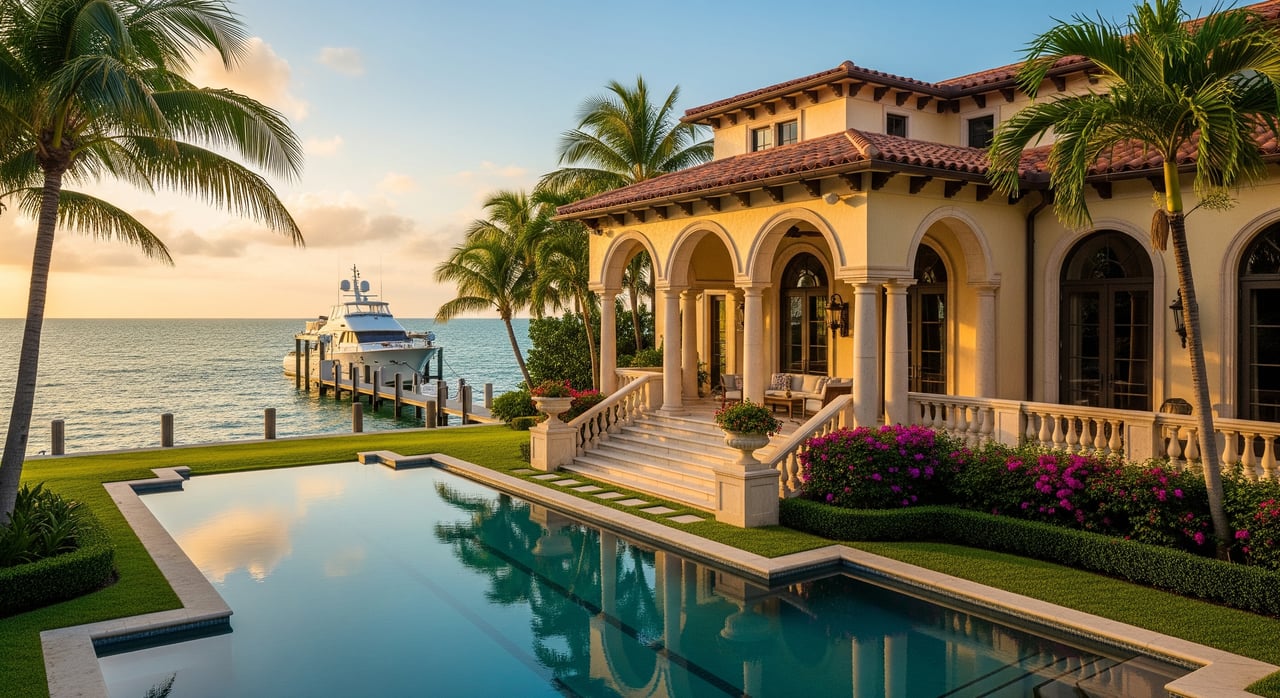
Planning to buy a luxury condo or waterfront home in Palm Beach and wondering how jumbo financing works? You are not alone. Many high-end purchases in Palm Beach County sit above standard loan limits, which means different rules, documents, and timelines. In this guide, you will learn what defines a jumbo loan, how lenders evaluate condo and coastal properties, how rates are set, and the practical steps to get ready. Let’s dive in.
A jumbo loan is any mortgage amount above your county’s conforming loan limit. Conforming loans meet Fannie Mae and Freddie Mac rules and can be sold to them, while jumbo loans are kept or sold in the private market. Because of that, jumbos use different pricing and underwriting.
In Palm Beach County, many luxury condos and waterfront single-family homes exceed the local conforming limit, so jumbo financing is common, especially for second homes and seasonal residences. Lenders often use stricter criteria for second homes and investment properties.
Before you shop, confirm the current conforming loan limit for Palm Beach County. Limits change each year and vary by unit count. You can verify the current threshold with the FHFA conforming loan limit lookup. If your target loan amount is above the county limit, you will be in jumbo territory.
Jumbo lenders focus on your overall financial strength, the property’s marketability, and the details of the building or site.
Most jumbo programs reward strong credit, often 700 to 760 plus for best pricing. Lower scores are sometimes possible, but you should expect higher rates or stricter terms. Lenders typically prefer a debt-to-income ratio below roughly 43 to 50 percent depending on your profile and compensating factors.
Many jumbo programs expect 10 to 30 percent down. The exact down payment depends on your credit, loan size, occupancy, and property type. Mortgage insurance is usually not practical on high-LTV jumbos, so larger down payments or secondary financing structures are common.
Lenders often require documented reserves measured in months of principal, interest, taxes, and insurance. Reserve requirements vary widely and can run from several months up to a year or more based on LTV, credit strength, and whether the home is a primary, second home, or investment property.
Be ready for full documentation. Employed buyers typically provide 30 days of pay stubs, two years of W-2s, and employer verification. Self-employed, commissioned, and business owners usually provide two years of personal and business tax returns, year-to-date profit and loss statements, and K-1s or 1099s as applicable. Some portfolio lenders accept alternative documentation, but those options can mean higher rates or added reserve requirements. For prep tips, see the CFPB’s guidance on shopping for a mortgage and getting documents ready.
Expect to provide recent bank and investment statements, retirement account statements, and trust documents if applicable. Lenders verify the source of funds for your down payment and closing costs. Gift funds require letters and documentation of the source.
High-value homes and unique properties may need more than one appraisal or a desk review. Appraisers can face limited comparable sales at the top end, which can extend review timelines. This is common in luxury segments and on one-of-a-kind waterfront sites.
Jumbo loans require a clean title commitment, adequate property and windstorm insurance, and flood coverage where applicable. Condo loans require detailed HOA documentation. Waterfront purchases may require surveys, elevation certificates, and verification for docks, seawalls, and permits.
Condo buildings must meet lender project eligibility standards. Lenders review reserve levels, owner occupancy, insurance coverage, litigation, and the association’s overall financial health. Since Florida increased oversight after high-profile building failures, lenders now scrutinize condo associations more closely.
If the association’s reserves are weak, litigation is significant, or insurance is inadequate, lenders may decline the project or add conditions that affect your terms.
Many waterfront homes in Palm Beach sit in FEMA-designated flood zones. If your property is in a mapped flood zone and you have a mortgage, lenders require flood insurance. You can review zones using the FEMA Flood Map Service Center and learn more about coverage through the National Flood Insurance Program. Lenders will also look for adequate windstorm and hurricane coverage with acceptable deductibles.
Expect requests for elevation certificates and documentation for seawalls and docks. If erosion or structural risk is suspected, lenders may require inspections or engineering opinions. Coastal setbacks, dune protections, and other environmental factors can affect value and insurability.
Unique waterfront features can reduce comparable sales and make valuation more complex. Some lenders require a second appraisal or a formal review on properties with highly unique attributes.
Jumbo rates typically track a spread over Treasuries and may be higher than conforming loans, but the spread moves with market liquidity and investor demand. Your rate depends on loan size, LTV, credit score, documentation type, occupancy, and property type. Condos and waterfront homes can price differently due to risk and reserve requirements. Rate locks and float-down options matter because jumbo pricing can be sensitive to short-term market moves.
Luxury segments often see a higher share of cash purchases, which can influence lender appetite and pricing. Seasonality can tighten timelines during high season, and appraisal reviews may take longer when comparable sales are limited.
Use this step-by-step plan to streamline your jumbo purchase in Palm Beach.
Coordinating a jumbo purchase takes experience, timing, and local relationships. Roger connects you with lenders who regularly finance Palm Beach luxury condos and waterfront homes, shares the property and HOA details early, and helps gather documents to avoid delays. He keeps everyone aligned on financing deadlines, tracks appraisal progress, and facilitates elevation certificates, HOA packages, and insurance quotes so you can close with confidence.
If you are considering a high-end condo or waterfront home, reach out for a tailored plan, local insights on buildings and streets, and warm introductions to lenders who understand the Palm Beach market. Work with someone who makes the process feel clear and manageable from the first call to the closing table.
Ready to move forward on your Palm Beach purchase? Connect with Roger Plevin for a personalized jumbo financing game plan and curated lender introductions.
Stay up to date on the latest real estate trends.
My area is a great place to live! For more information, please give me a ring or email me today. I would love the opportunity to earn your business and trust.