Palm Beach County Dock Options for Homes and Condos
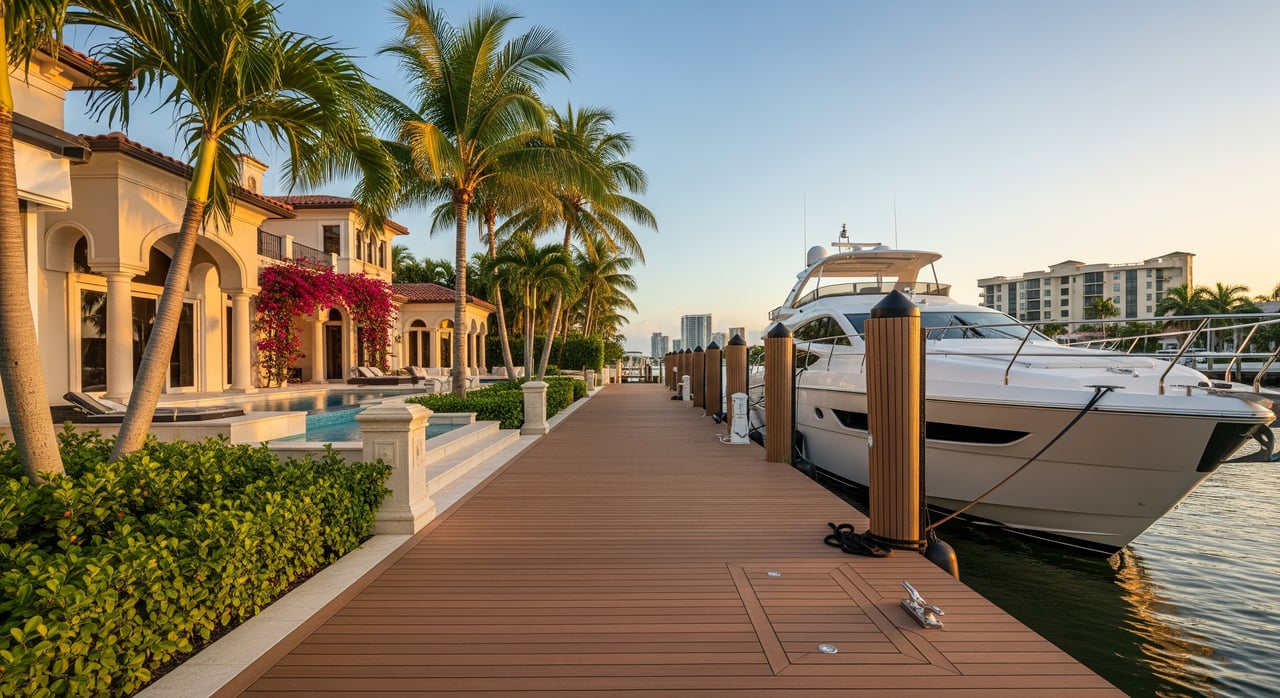
Dreaming of stepping onto your boat from your own backyard, or would you rather keep things simple with a condo slip and on-site amenities? In Palm Beach County, both paths can work well, but they fit different boats, budgets, and lifestyles. You want reliable access to open water, clear rules, and costs you can plan for without surprises. This guide breaks down what matters most so you can choose with confidence. Let’s dive in.
Your route to the Atlantic drives everything. In Palm Beach County, most owners use the Intracoastal Waterway, also called the Lake Worth Lagoon, and reach the ocean through the Lake Worth Inlet, Boca Raton Inlet, or Jupiter Inlet. Your choice of home or condo determines which waterways you use and how often you encounter bridges and tidal constraints. Tides, water depth, and bridge clearances decide whether a specific property fits your vessel.
Start with your vessel’s draft. Minimum safe depth at a slip is typically your draft plus an under-keel safety margin, plus the predicted low-water level for the site, with a small allowance for shoaling. For many powerboats, boaters often use a 1 to 2 foot safety margin, but the right margin depends on vessel type and local conditions. Always use local tide data for your exact location and confirm actual depths at low water.
If your route includes fixed bridges, you need sufficient vertical clearance at the critical tide level. Required clearance is your air draft plus a safety margin, adjusted to the tidal datum used for the bridge’s published number. For routes with drawbridges, check opening schedules in advance and confirm whether openings are on demand.
Look beyond depth and bridges. Consider channel width and room to turn near the dock, known current patterns at nearby inlets, and how exposed your location is to wind and chop. If you need frequent access to fuel, pump-out, or haul-out, note proximity to those services along your regular route.
A private dock gives you control and immediate access. You choose the design, lift type, and contractor, and you set your own schedule. Many buyers love the simplicity of walking from the kitchen to the cockpit in minutes.
Pros
Cons
Condo marinas offer a lower-maintenance path with shared responsibility. Slips may be deeded like real property or assigned or leased through the association, and the HOA typically manages major maintenance and insurance for common elements. Amenities like pump-out and clubhouse access are common in larger communities.
Pros
Cons
Every option involves upfront and ongoing costs. For a private dock, you handle construction, permitting, lift installation, electrical, and any seawall or dredging, plus ongoing maintenance. At a condo marina, you generally pay HOA fees, possible slip fees, and your share of capital projects through assessments.
Financing often depends on how the slip or dock is classified. A dock attached to a single-family property is typically part of the real estate and can be financed with the home, subject to lender review. Deeded condo slips treated as real property are generally simpler to finance than licensed or leased slips. If you plan to build after closing, construction loans or home equity lines are common, and lenders will want permits, plans, and contractor details.
Florida waters come with layered permitting. Work on or over sovereign submerged lands often requires state authorization, and some projects need a sovereign submerged lands lease. Dredging, fill, and certain structures can require federal permits. You also need county or municipal permits for construction and shore utilities.
If your site includes mangroves or seagrass, expect specific environmental protections and possible mitigation. Manatee protection and speed zones may affect how and where you operate or moor. Build your timeline with permitting in mind so your plans, contracts, and closings stay on track.
Use this quick-fill checklist to test fit before you fall in love with the view.
Vessel specs
Property or slip details
Decision rules
Confirm navigation fit. Compare your draft and air draft to local low-water depth and bridge clearances along your preferred route to Lake Worth Inlet, Boca Raton Inlet, or Jupiter Inlet.
Gather documents. Request as-built dock and lift plans, construction permits, surveys, and any dredging permits or maintenance records. For condos, collect governing documents, marina policies, slip deeds or licenses, budgets, reserve studies, and special assessment history.
Inspect structures. Hire a licensed marine contractor to inspect pilings, decking, and lifts. If a seawall is present, get a structural review by a qualified engineer.
Verify utilities and safety. Have dock electrical inspected, confirm GFCI protection, and assess lighting and slip access for safe use.
Understand environmental context. Identify any mangroves, seagrass, or protected zones that could limit modifications or affect operations.
Confirm insurance and costs. Review insurance requirements, owner responsibilities, and potential assessments. Build a budget for maintenance and reserves.
Align financing. If building or upgrading, speak with lenders early about permits, plans, and acceptable property classifications for slips.
Choose a private backyard dock if you want maximum control, custom lift capacity, and immediate access with a schedule that suits you. Be ready to manage maintenance, permits, and any dredging or seawall work. Choose a condo marina or association slip if you want lower day-to-day upkeep, shared amenities, and predictable fees, and are comfortable operating within community rules.
Either option can be excellent in Palm Beach County when your boat’s specs match the waterway and the documents and inspections check out. A thoughtful plan lets you enjoy the boating lifestyle you came for without surprises at closing or on launch day.
Ready to explore homes with docks or condos with slips that truly fit your boat and lifestyle? Work with a local advisor who knows the waterways, the rules, and the right questions to ask. Connect with Roger Plevin to map your options and move forward with confidence.
Stay up to date on the latest real estate trends.
My area is a great place to live! For more information, please give me a ring or email me today. I would love the opportunity to earn your business and trust.